

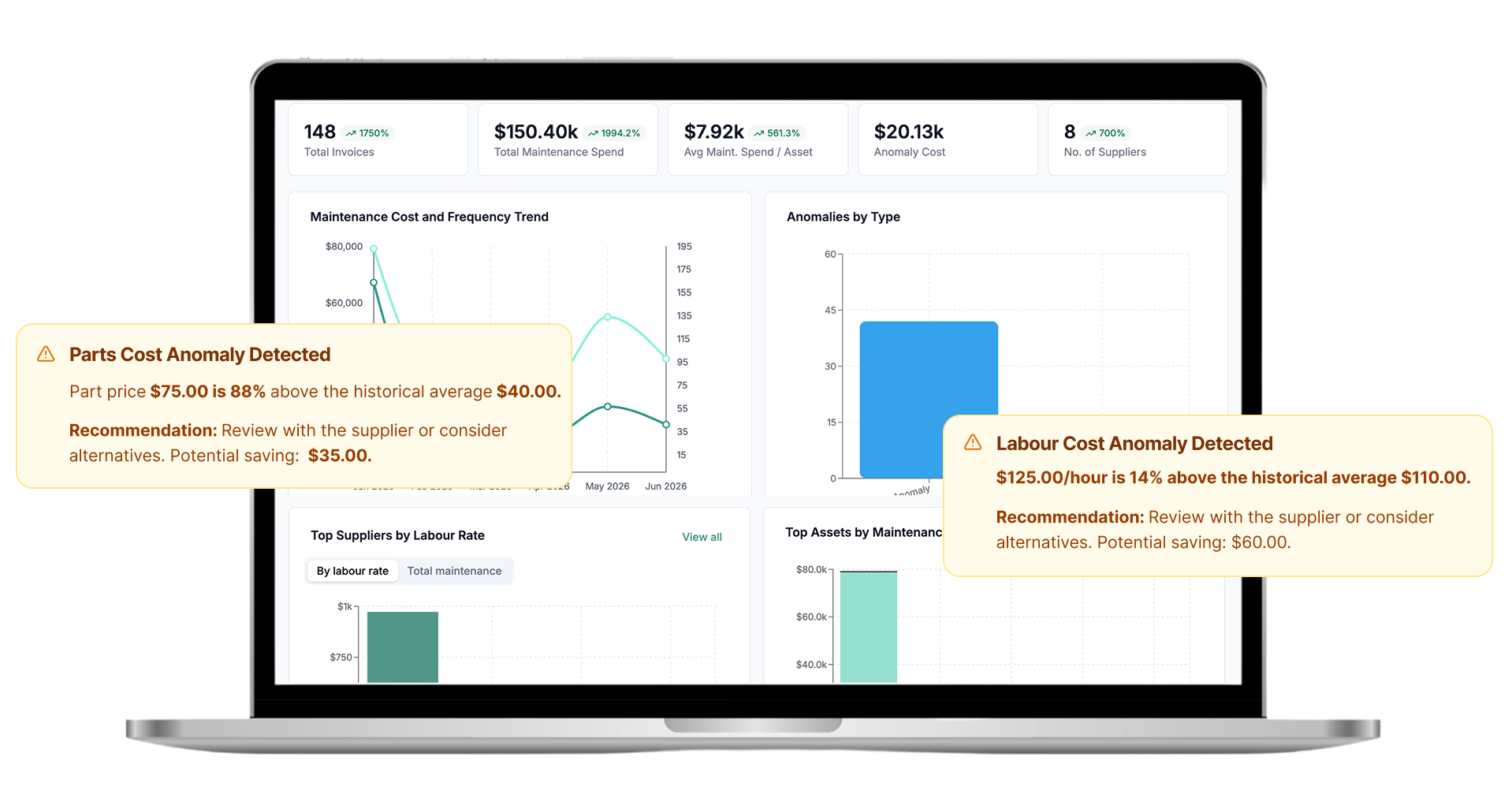
Every unplanned breakdown costs twice: the repair, and the vehicle sitting idle instead of working. Preventive maintenance — servicing vehicles before they fail rather than after — is how fleets avoid both. But it only works if it's driven by how each vehicle is actually used, not a calendar or a guess. Here's how to do it properly.
What is Preventive Maintenance?
Preventive maintenance is scheduled, proactive servicing designed to keep vehicles running and catch issues before they become failures — oil changes, inspections, brake checks, and part replacements timed to each vehicle's real use. It's the opposite of reactive maintenance, where you fix things after they break, usually at the worst moment and the highest cost.
Why Preventive Maintenance Pays
- Less downtime: planned servicing keeps vehicles on the road and routes covered.
- Lower repair costs: a small fault caught early is cheaper than the breakdown it becomes.
- Longer vehicle life: consistent servicing extends usable life and protects resale value.
- Fewer roadside failures: better for safety, compliance, and reputation.
Calendar-Based vs Usage-Based Scheduling
Many fleets still service on a fixed calendar — every six months, say — which over-services vehicles that barely move and under-services the ones working hardest. Usage-based scheduling, driven by real odometer and engine-hour data from telematics, times each service to how the vehicle is actually used. A van doing 40,000 miles a year and one doing 8,000 shouldn't be on the same schedule.
How to Run Preventive Maintenance Effectively
- Schedule by real mileage and engine hours
Use telematics data so each vehicle is serviced on its actual use, not a blanket interval. - Act on fault codes early
Engine fault codes from telematics turn into work orders before a minor issue becomes a roadside failure. - Track service history per vehicle
A complete history prevents missed intervals and duplicate work — and supports compliance. - Tie it to cost
Watch maintenance spend per vehicle so preventive work is reducing total cost, not just adding services.
#1 AI-powered fleet spend control platform
Ready to Stop Losing Money on Fleet Spend?
See how much you could save in the first week. Start your free trial today. Cancel anytime.
How Fleevo Powers Preventive Maintenance
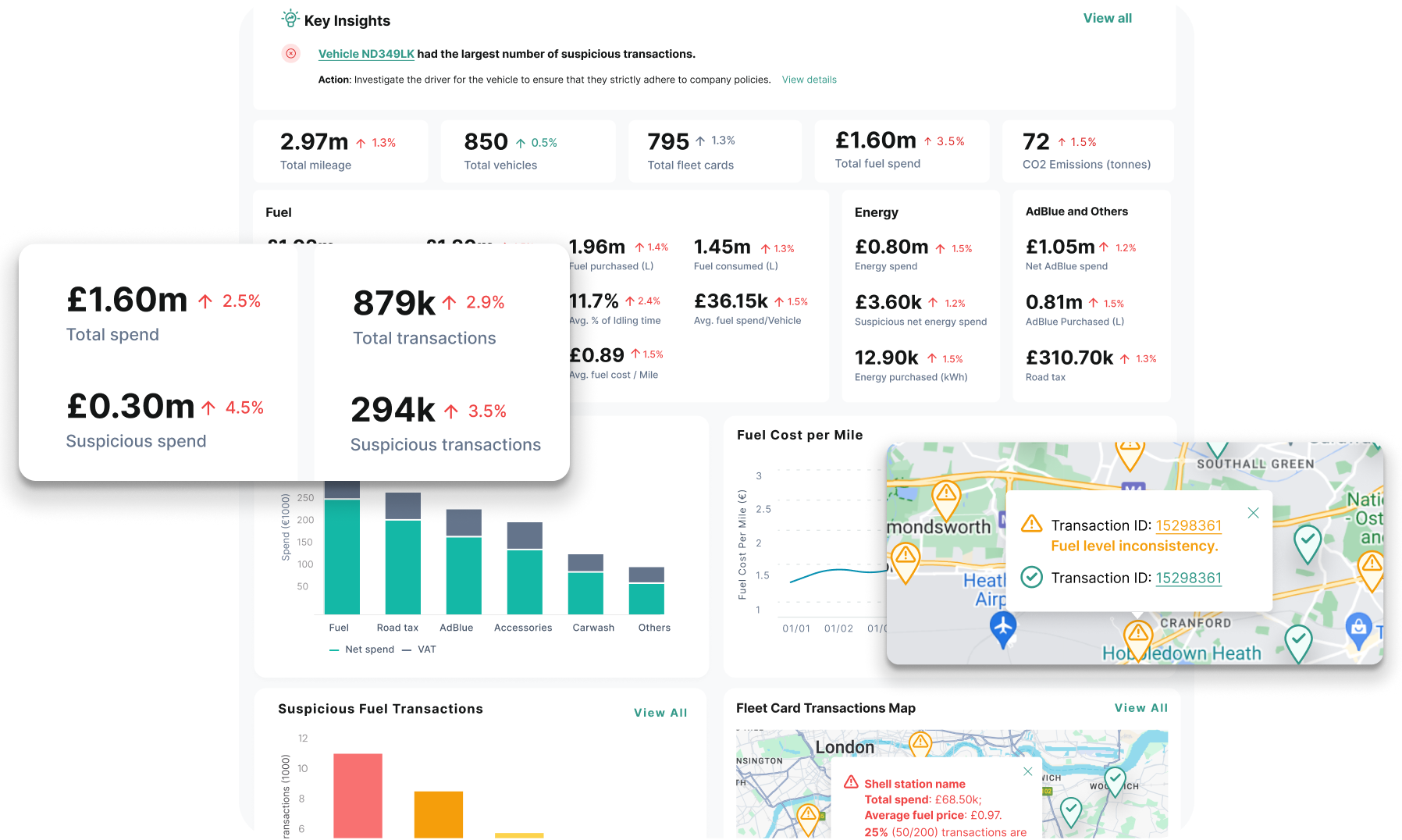
Fleevo reads live odometer, engine-hour, and fault-code data from your telematics systems — Geotab, Samsara, Verizon Connect, and more — and schedules preventive maintenance by each vehicle's real use, turning fault codes into work orders before they become breakdowns. Maintenance sits alongside fuel and cost data in one view, so you see whether preventive work is actually lowering total cost. It's part of Fleevo's Maintenance Spend Control.
Preventive Maintenance FAQs
What's the difference between preventive and reactive maintenance?
Preventive maintenance services vehicles proactively to prevent failures; reactive maintenance fixes them after they break. Preventive is planned and cheaper; reactive is unplanned, more expensive, and causes downtime.
How often should fleet vehicles be serviced?
Based on real use, not a fixed calendar. A vehicle's mileage and engine hours should drive its schedule — high-use vehicles need more frequent servicing than low-use ones, and telematics data makes that precise.
Can preventive maintenance be automated?
Yes — by reading live telematics data, a platform can schedule each service by actual vehicle use and convert fault codes into work orders automatically, rather than relying on manual tracking.
Bottom line: preventive maintenance scheduled by real vehicle use — not a calendar — prevents breakdowns, cuts repair bills, and keeps vehicles earning. The data to do it precisely is already in your telematics.
Related: for the tactical list, see our preventive maintenance checklist.
Explore the platform: Maintenance Spend Control · All Integrations