
The operator's licence, or O-licence, is the foundation of goods-vehicle compliance in Great Britain. Run a vehicle that needs one without holding it, or breach its terms, and you risk your whole operation. Yet the detail catches out plenty of growing fleets, especially those adding heavier vehicles for the first time.
Who Needs an O-Licence?
In general, you need a goods-vehicle operator's licence to use a vehicle over 3.5 tonnes gross plated weight to carry goods in connection with a trade or business. There are exemptions, but most fleets running anything heavier than a large van fall within scope. Since May 2022, operators using vans between 2.5 and 3.5 tonnes for hire or reward on international journeys also need a standard international licence.
The Three Types
- Restricted: lets you carry only your own goods, in Great Britain and abroad. Suitable for businesses that transport their own products, not others'.
- Standard National: lets you carry your own goods and other people's for hire or reward, within Great Britain.
- Standard International: the same as standard national, plus international journeys.
What the Traffic Commissioner Expects
Licences are granted and policed by the Traffic Commissioners. To hold one you must show good repute, appropriate financial standing (a set level of available funds per vehicle), and, for standard licences, professional competence, usually through a qualified Transport Manager holding a Certificate of Professional Competence. You also need a suitable operating centre with enough parking and satisfactory arrangements to keep vehicles roadworthy.
The Obligations That Come With It
An O-licence is a set of promises, formally, undertakings. You commit to keeping vehicles fit and serviceable, running proper maintenance and inspection systems, keeping records, and ensuring drivers observe drivers' hours and report defects. Fail to keep those promises and the Traffic Commissioner can call you to a public inquiry and curtail, suspend, or revoke the licence, which for most fleets means the business stops.
#1 AI-powered fleet spend control platform
Ready to Stop Losing Money on Fleet Spend?
See how much you could save in the first week. Start your free trial today. Cancel anytime.
How Fleevo Helps
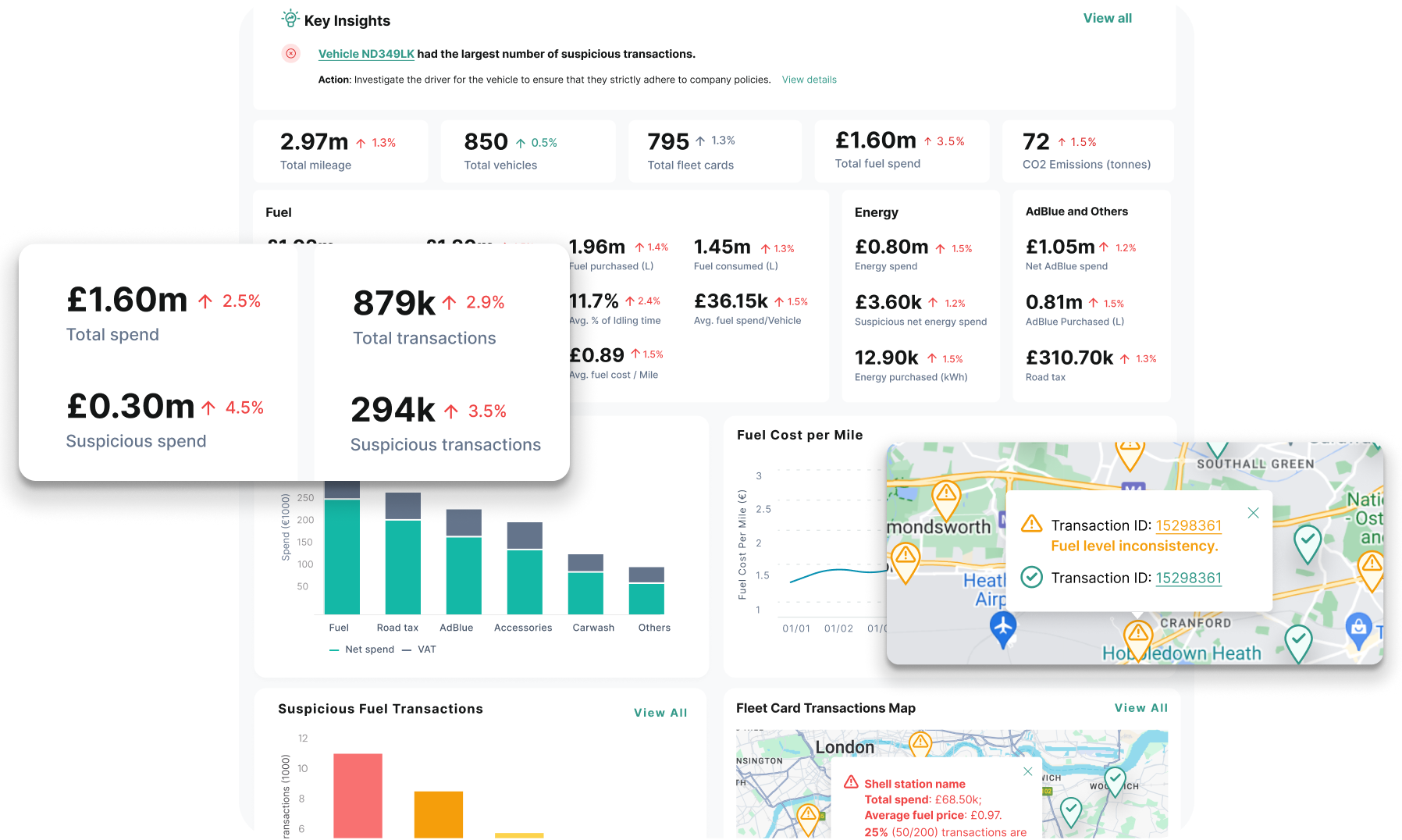
The undertakings behind an O-licence, maintenance records, inspection schedules, defect reports, and drivers' hours, all have to be evidenced. Fleevo keeps that compliance data in one place with a full audit trail, so you can show a Traffic Commissioner or DVSA examiner what you promised is actually happening. Explore Compliance & Audit Readiness, or read about DVSA Earned Recognition.
Operator's Licence FAQs
What vehicles need an operator's licence?
Broadly, goods vehicles over 3.5 tonnes gross plated weight used for a trade or business in Great Britain. Some vans between 2.5 and 3.5 tonnes used internationally for hire or reward also need a standard international licence.
What are the three types of O-licence?
Restricted (own goods only), Standard National (own and others' goods within GB), and Standard International (adds international journeys).
Do you need a Transport Manager?
For standard licences, yes, a professionally competent Transport Manager holding a CPC. Restricted licences do not require one, though maintenance and compliance obligations still apply.
What happens if you breach the licence?
The Traffic Commissioner can call a public inquiry and curtail, suspend, or revoke the licence, which usually halts the operation.
This is general information, not legal advice. Confirm your specific obligations with the Traffic Commissioner's guidance or a transport-law specialist.