

For an Amazon Delivery Service Partner, fuel is the single biggest controllable cost — and on DSP margins, how you buy and monitor it matters as much as which card you carry. Choosing a fuel card is step one; keeping the spend on that card honest and efficient is where DSPs actually protect their margin. Here's how to do both.
What to Look for in a DSP Fuel Card
DSP fleets are high-mileage, multi-driver, and cost-sensitive, so the right card balances a few things:
- Network coverage on the routes your vans actually run — broad acceptance beats a marginally lower headline price at inconvenient sites.
- Per-vehicle or per-driver controls — PINs and product restrictions to limit misuse across a large driver pool.
- Clean transaction data — detailed, exportable records (site, time, gallons, fuel type) you can actually audit.
- Pricing that fits high volume — rebates or fixed pricing that reward the volume a DSP puts through.
Common choices for US delivery fleets include WEX, Voyager, and other major fleet cards — the right one depends on your routes and vehicles.
Why the Card Alone Won't Control Fuel Spend
Here's the part most DSPs learn the hard way: the card gives you a network and a statement, not control. A statement tells you what was bought, not whether it was legitimate. Across a big driver pool running high daily mileage, personal fill-ups, off-route fuelling, and unaccounted gallons hide easily in thousands of ordinary-looking transactions — and at 2–5% of fuel spend, that's real money against a DSP's margin.
How DSPs Keep Fuel Spend Under Control
- Audit every transaction against the vehicle
Cross-reference each fill against the van's location, tank capacity, and fuel type to catch misuse automatically — the only approach that scales to a DSP-sized driver pool. - Benchmark fuel economy per van
Rank vehicles by miles-per-gallon and cost-per-mile to surface the outliers, whether it's driving style, a fault, or misuse. - Watch for the patterns
Second fills within an hour, weekend transactions, and off-route fuelling are the signals worth flagging. - Unify cards if you run more than one
See total fuel spend across every card in one view rather than reconciling separate statements.
#1 AI-powered fleet spend control platform
Ready to Stop Losing Money on Fleet Spend?
See how much you could save in the first week. Start your free trial today. Cancel anytime.
How Fleevo Helps DSPs Control Fuel
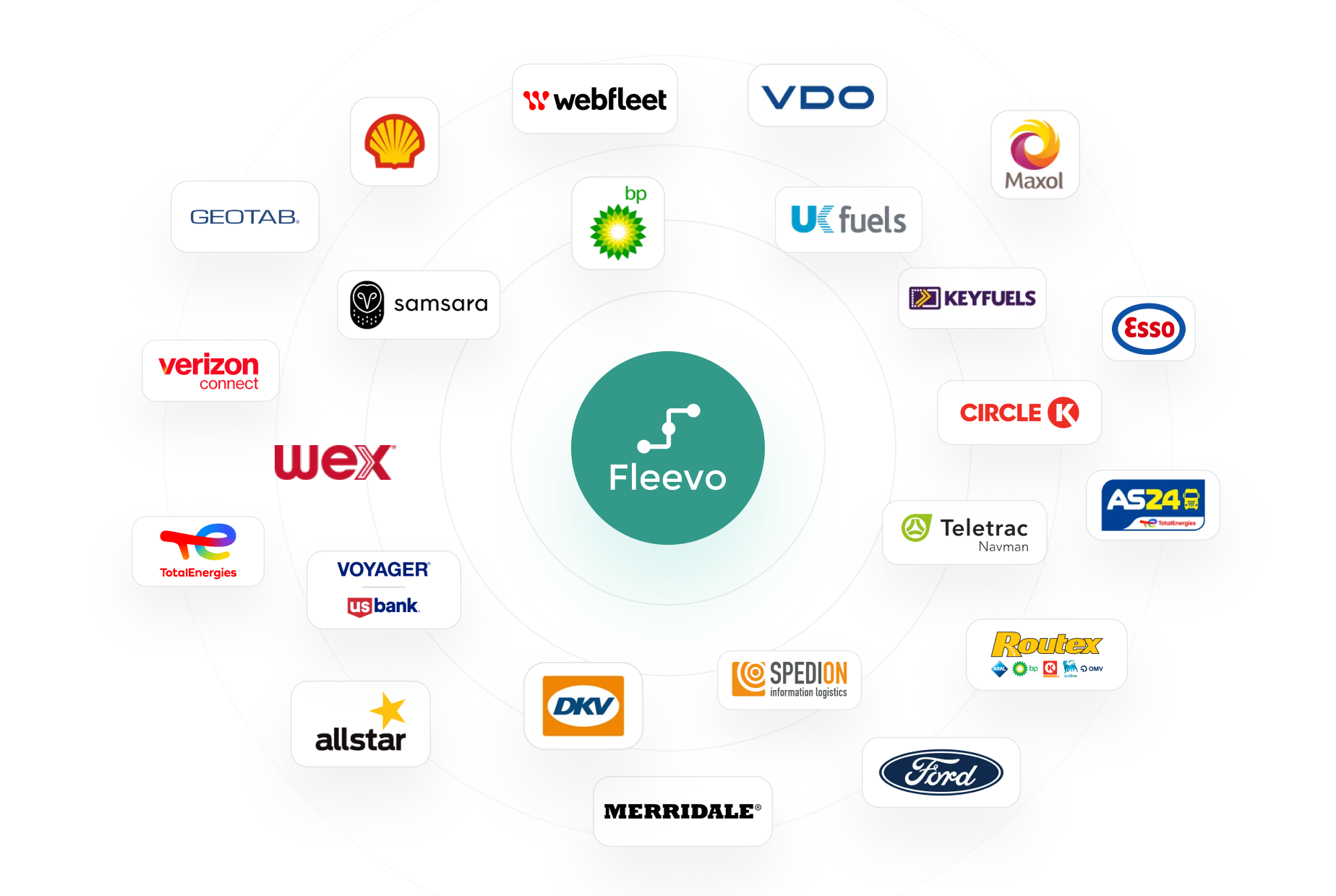
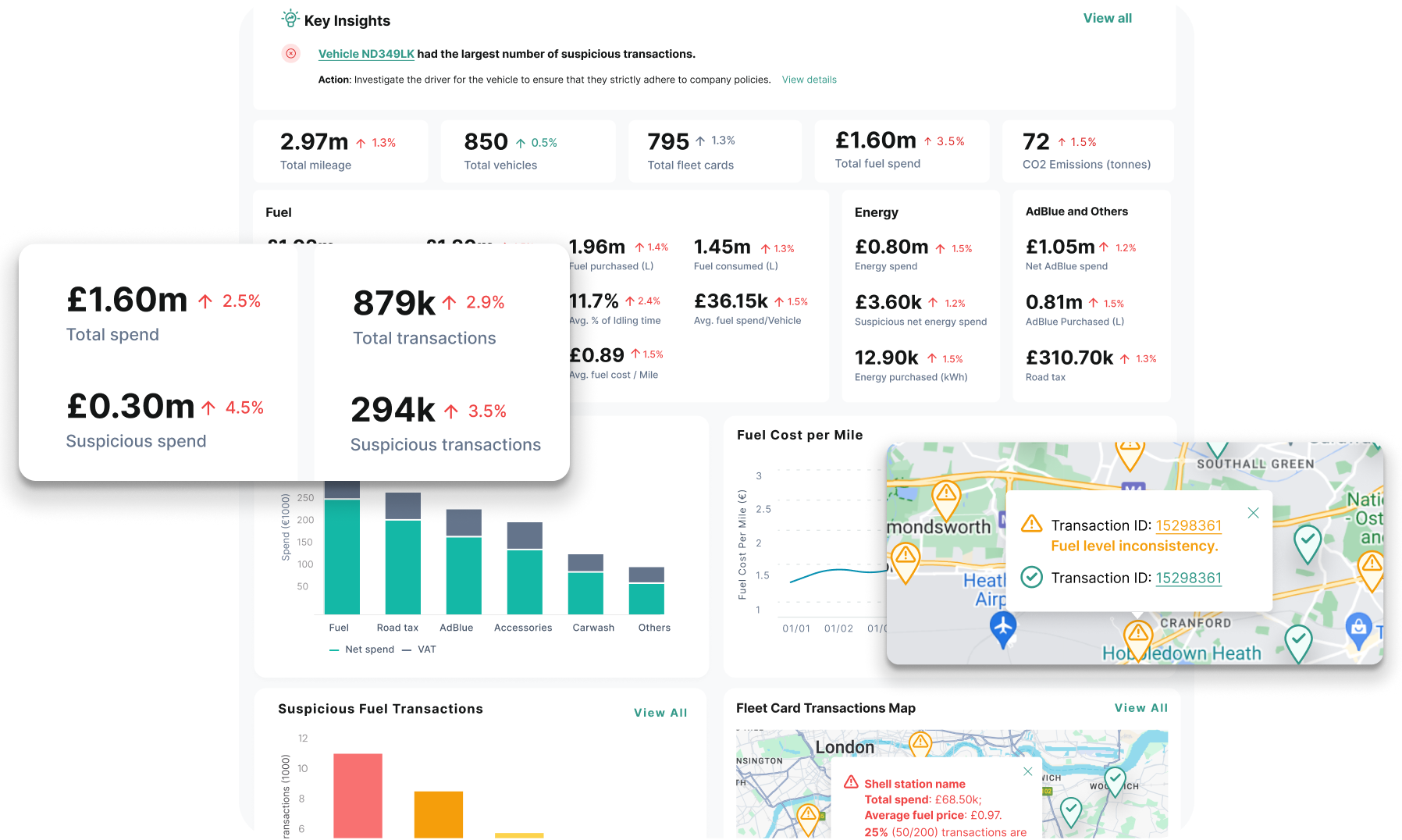
Fleevo works with WEX, Voyager, and 40+ other fuel cards as an audit layer on top of whatever card your DSP carries. It automatically checks every transaction against vehicle location, tank capacity, and fuel type, benchmarks each van, and flags misuse — continuously, across your whole fleet, in one view. Fuel sits alongside maintenance and telematics so you see true cost per van and per route. Learn more about Fleevo for Amazon DSP fleets.
DSP Fuel Card FAQs
What's the best fuel card for an Amazon DSP?
It depends on your routes and vehicles — WEX and Voyager are common US choices for their broad acceptance and fleet controls. The more important decision is how you audit whichever card you choose, since misuse affects all cards similarly.
How do DSPs stop fuel card misuse?
By auditing every transaction against vehicle data — location, tank capacity, fuel type — rather than reviewing statements. At DSP scale, only automated cross-referencing catches misuse reliably.
Can I use more than one fuel card as a DSP?
Yes — but consolidate them into one audited view so you can see total fuel spend and compare vehicles across cards, rather than reconciling separate statements by hand.
Bottom line: pick a fuel card for coverage, controls, and clean data — then put an audit layer on top, because on DSP margins the savings come from controlling how the card is used, not just which card it is.
Explore the platform: Fleet Analytics for Amazon DSP Fleets · Fuel & Energy Management