

Every organisation that puts an employee behind the wheel for work carries a duty of care to make sure that person is legally entitled to drive. It sounds obvious, but licences expire, get revoked, accumulate points, and pick up disqualifications, often without the employer ever hearing about it. Regular licence checking is how a fleet turns an assumption into a fact.
Why It Matters
If an employee drives on your behalf without a valid licence and something goes wrong, the organisation, not just the driver, can face serious consequences. Duty of care means taking reasonable steps to verify entitlement to drive; "we assumed it was fine" is not a reasonable step. It applies to anyone driving for work, on any road.
How to Check a Licence
Licence data sits with the DVLA. The common routes are for the driver to generate a check code through the DVLA's View Driving Licence service, which you use to view their record with their permission, or to use the Access to Driver Data (ADD) service, often through a third-party checking provider, to verify licences at scale with the driver's consent. Either way you confirm categories held, validity, penalty points, and any disqualifications.
How Often to Check
Best practice is risk-based: the more points on a licence, the more often you check it. A common schedule is a clean licence checked every six to twelve months, moving to every few months as points accumulate, and monthly for the highest-risk drivers. New starters should be checked before they drive at all.
Don't Forget the Grey Fleet
Duty of care isn't limited to company vehicles. Employees who drive their own cars for business, the grey fleet, are just as much your responsibility. Their licences, insurance, and vehicle roadworthiness all need checking, and they are the population most often overlooked.
#1 AI-powered fleet spend control platform
Ready to Stop Losing Money on Fleet Spend?
See how much you could save in the first week. Start your free trial today. Cancel anytime.
How Fleevo Helps
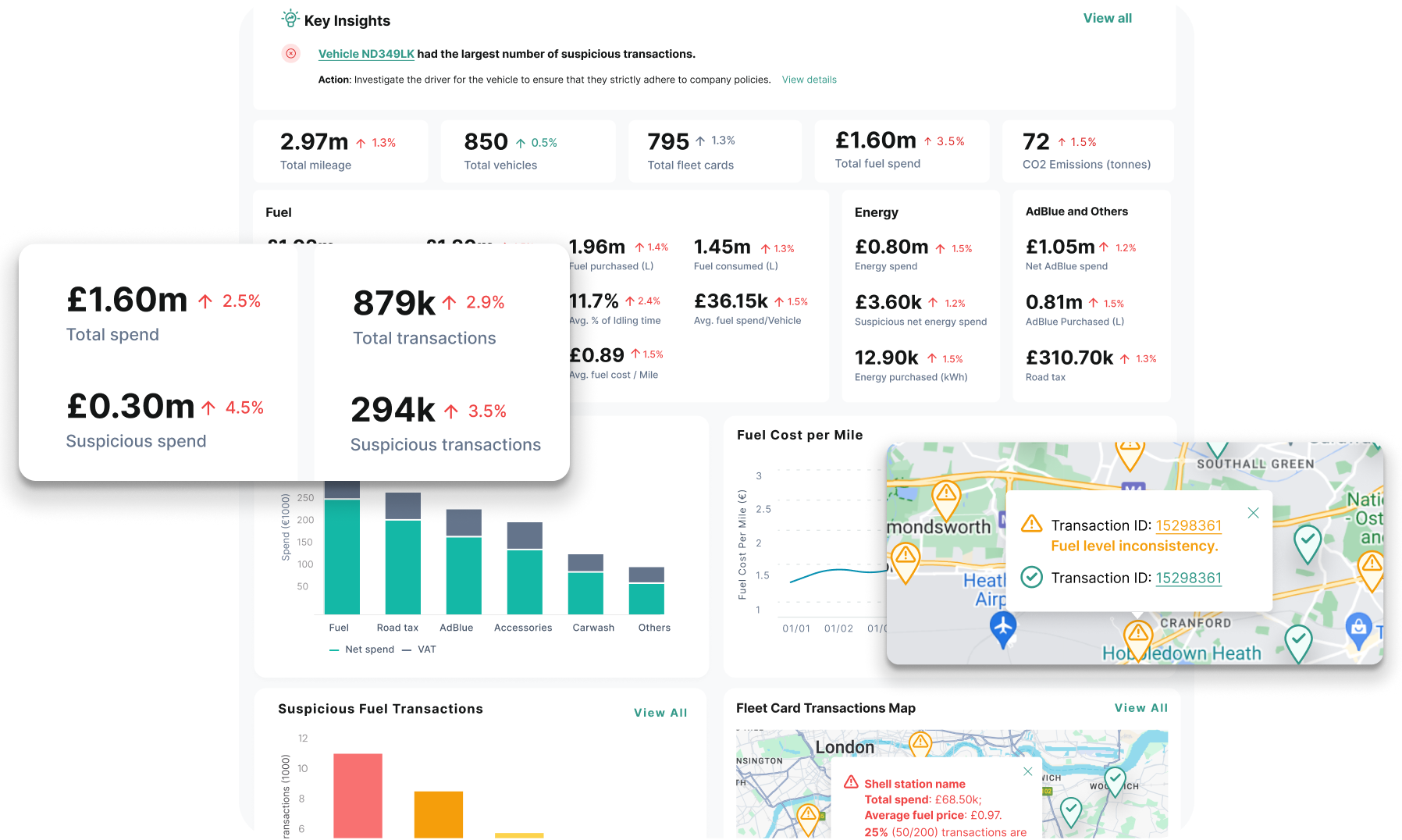
Licence checking only works if it actually happens on schedule and the results are recorded. Fleevo helps fleets keep driver records, check dates, and entitlements in one place alongside the rest of their compliance data, so a lapsed or high-risk licence surfaces before it becomes a duty-of-care problem. Explore Compliance & Audit Readiness, or read our guide to the operator's licence.
Driver Licence Checking FAQs
Why do employers need to check driving licences?
Because they have a duty of care to ensure anyone driving for work is legally entitled to. If an unlicensed employee drives on the organisation's behalf, the organisation can share the consequences.
How do you check a driver's licence?
Either the driver generates a check code via the DVLA View Driving Licence service, or you use the Access to Driver Data service, often through a checking provider, to verify licences at scale, always with the driver's consent.
How often should licences be checked?
Risk-based: roughly every six to twelve months for a clean licence, more frequently as points build up, and monthly for the highest-risk drivers. Always check new starters before they drive.
Does licence checking apply to grey fleet?
Yes. Employees driving their own vehicles for business are equally covered by duty of care, and are the group most often missed.
This is general information, not legal advice. Confirm current requirements with DVLA guidance.