
For any fleet running through Germany, the LKW-Maut is a significant, per-kilometre cost, and since 2024 it reaches far more vehicles than it used to. Understanding how it is calculated, and keeping the data connected, is how fleets stop it being a surprise on a monthly statement.
What Is the LKW-Maut?
The LKW-Maut is Germany's distance-based toll for heavy goods vehicles, collected by Toll Collect on behalf of the German government. It applies on motorways (Autobahnen) and federal roads (Bundesstraßen). Since 1 July 2024 it applies to trucks with a gross weight of 3.5 tonnes or more, down from the previous 7.5-tonne threshold, bringing many more vans and light trucks into scope.
How It Is Calculated
The charge is worked out per kilometre from the number of axles, the vehicle's weight, and its CO2 emission class. The rate is built from three parts: an infrastructure cost, an external-cost component for air and noise pollution, and a CO2 surcharge introduced at the end of 2023. Charges are recorded automatically by a GPS-based on-board unit that tracks the vehicle's position on tolled roads.
What's Changing
The system keeps evolving. Zero-emission trucks are currently exempt from the LKW-Maut (through 2031), a strong incentive to electrify. And from 1 July 2026, the CO2 emission classification for trucks over 16 tonnes changes under new EU rules adopted in late 2025, which will alter what many vehicles pay.
Why Connect It to Fleevo
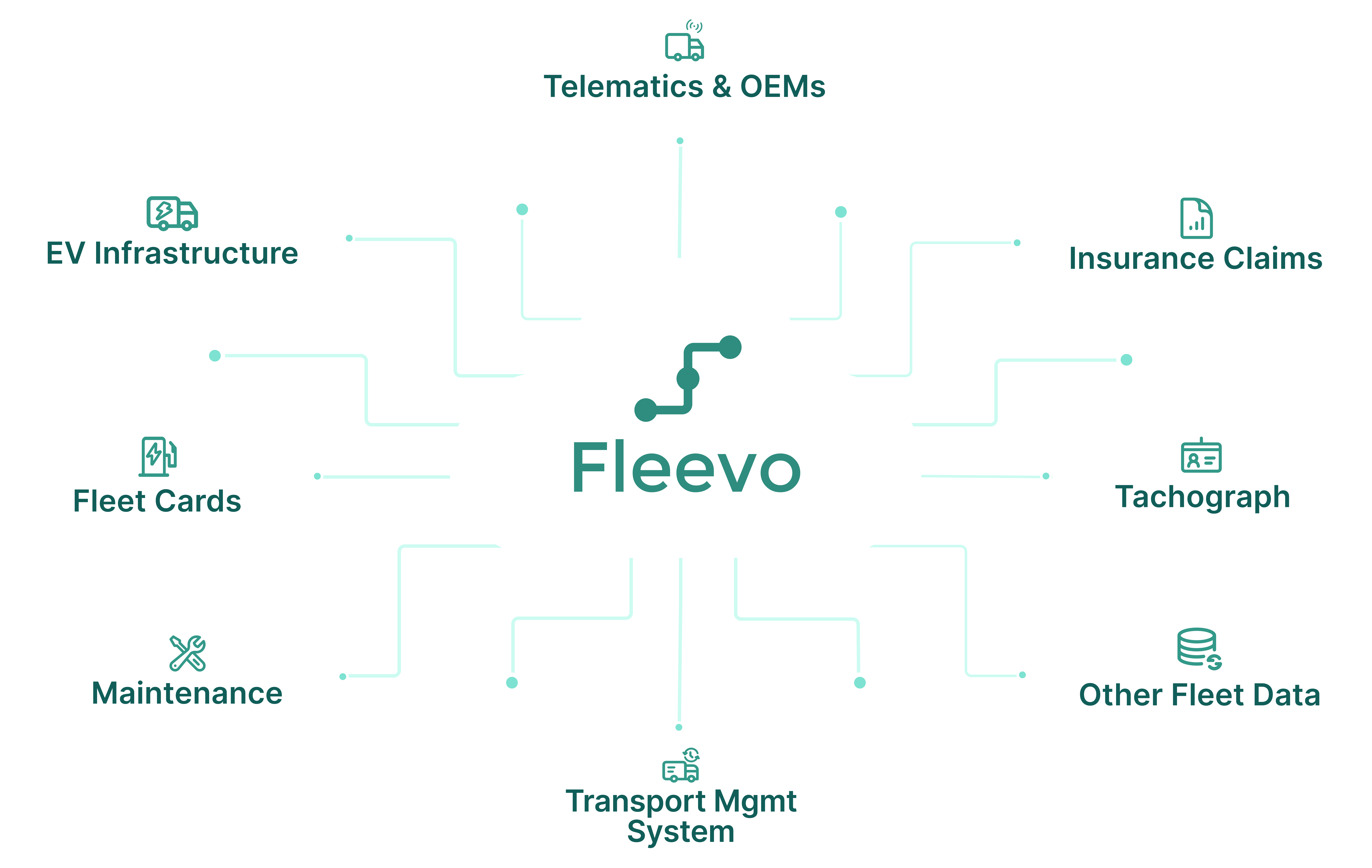
Because the LKW-Maut is distance-based and now touches so much of a fleet, seeing it per vehicle and per route matters. Connected to Fleevo, each charge is attributed to the vehicle that incurred it and sits alongside that vehicle's fuel, other tolls, and fines, giving a true cost for your German lanes instead of a lump-sum Toll Collect invoice.
#1 AI-powered fleet spend control platform
Ready to Stop Losing Money on Fleet Spend?
See how much you could save in the first week. Start your free trial today. Cancel anytime.
Bringing German Toll Data Into Fleevo
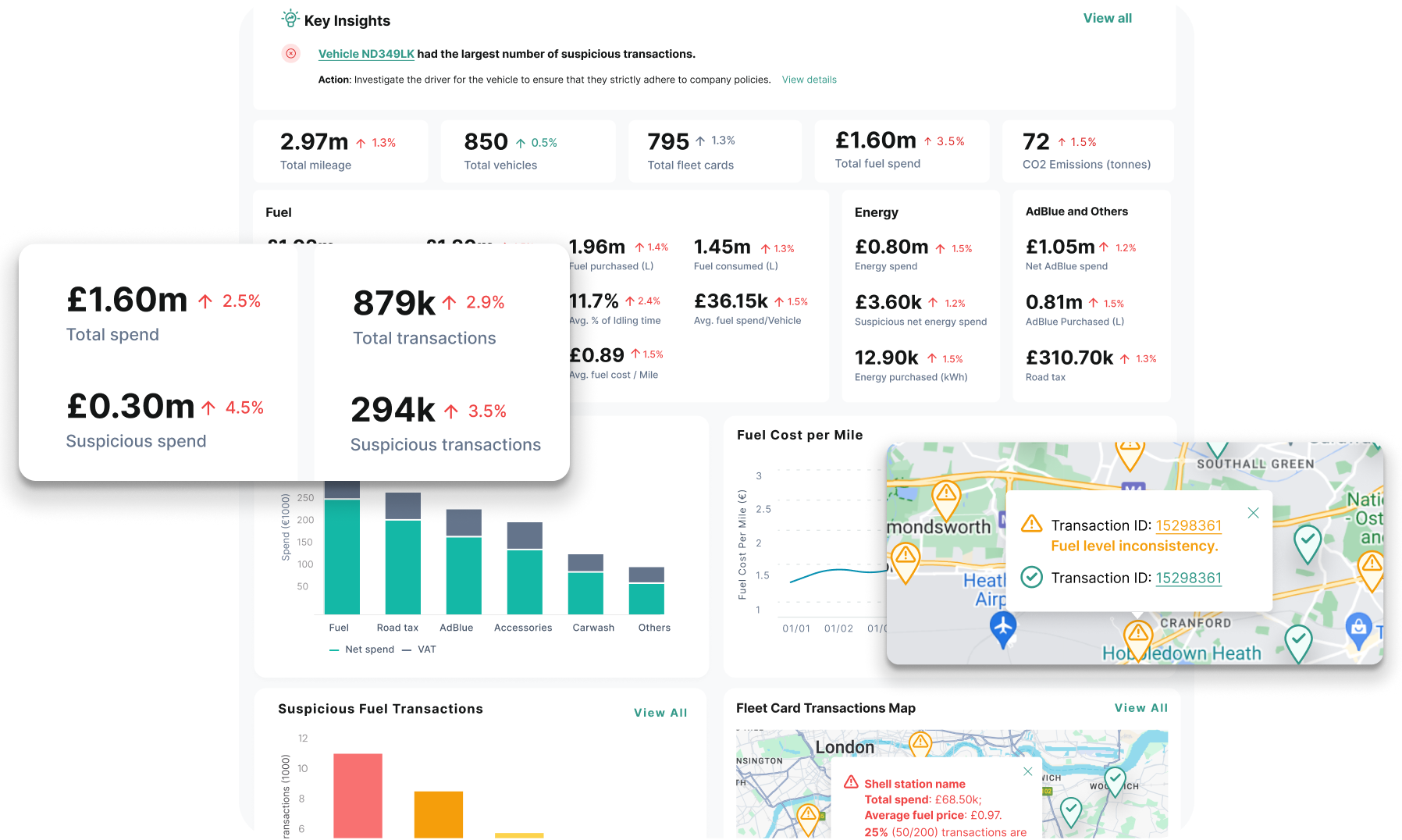
Fleevo is built to consolidate fleet charges, so German LKW-Maut costs can sit in one view, attributed to the vehicle that incurred them, alongside your fuel, other tolls, and fines. To find out whether Fleevo can bring your LKW-Maut data in, contact Fleevo or book a demo. For the wider picture, see our guide to truck tolls in Europe.
LKW-Maut FAQs
Which vehicles pay the German LKW-Maut?
Since 1 July 2024, trucks with a gross weight of 3.5 tonnes or more, on motorways and federal roads. The threshold used to be 7.5 tonnes.
How is the German truck toll calculated?
Per kilometre, based on axles, weight, and CO2 emission class, combining an infrastructure charge, an external-cost (air and noise) component, and a CO2 surcharge.
Are electric trucks exempt?
Yes, zero-emission trucks are currently exempt from the LKW-Maut, an exemption in place through 2031.