
For any fleet running goods vehicles through Switzerland, the LSVA is unavoidable, and unlike a one-off toll, it accrues on every chargeable kilometre. Left in its own Swiss billing silo, it's another statement to reconcile by hand. Connected to Fleevo, it becomes part of the same per-vehicle cost picture as your fuel, fines, and maintenance.
What Is the LSVA?
The LSVA (Leistungsabhängige Schwerverkehrsabgabe, or performance-related heavy vehicle fee) is Switzerland's distance-based charge on heavy goods vehicles. It applies to goods vehicles and vehicle combinations over 3.5 tonnes total weight using roads in Switzerland and the Principality of Liechtenstein. The charge is calculated from three things: the kilometres driven, the vehicle's total weight, and its emission (EURO) category, so a heavier, dirtier vehicle pays more per kilometre than a lighter, cleaner one.
Charges are recorded by a mandatory on-board unit (OBU), which is coupled to the tachograph, measures the distance travelled, and transmits the data to the Swiss Federal Office for Customs and Border Security (BAZG) for billing. It is, in effect, a per-kilometre tax that runs quietly in the background of every Swiss journey.
What the Fleevo Integration Does
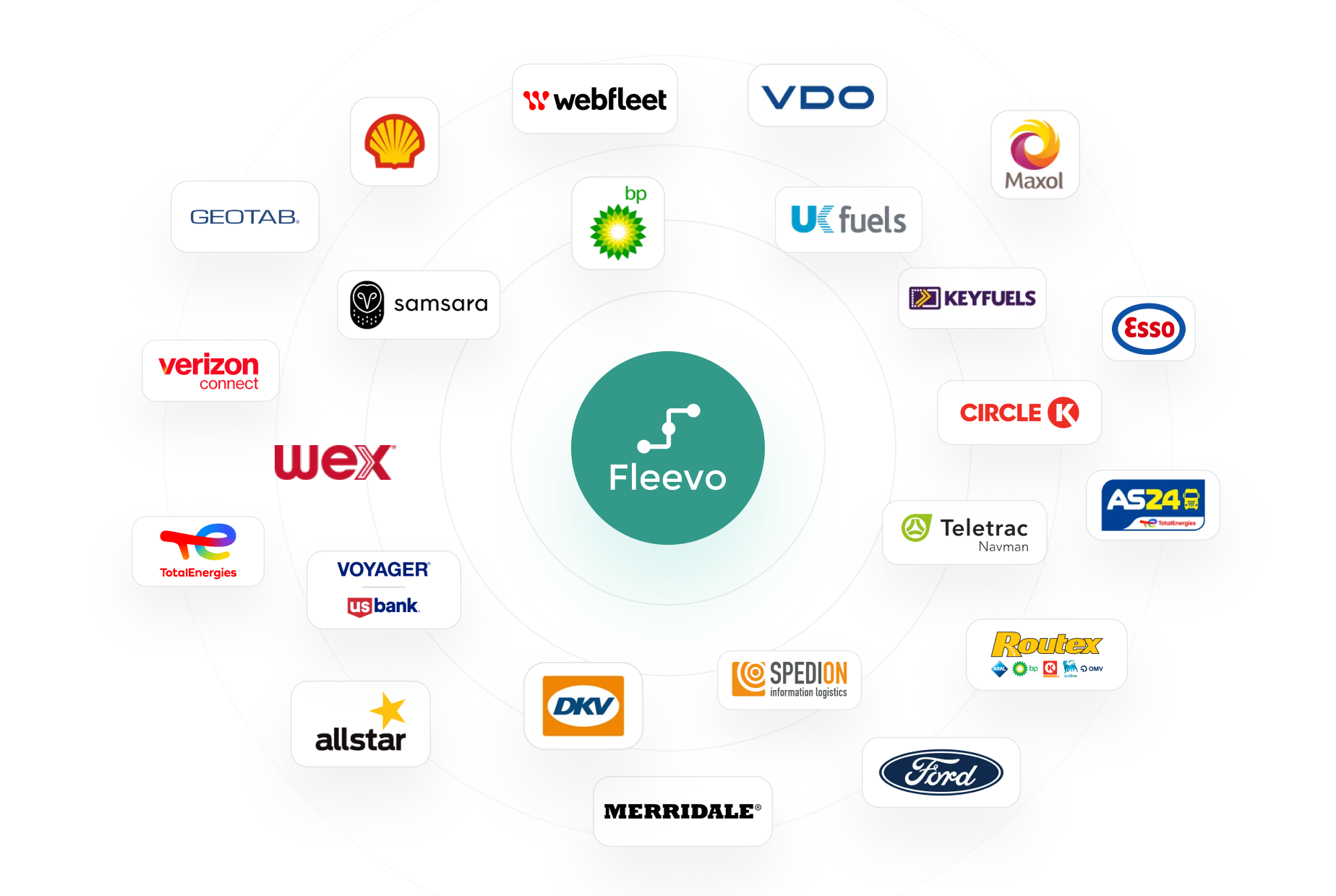
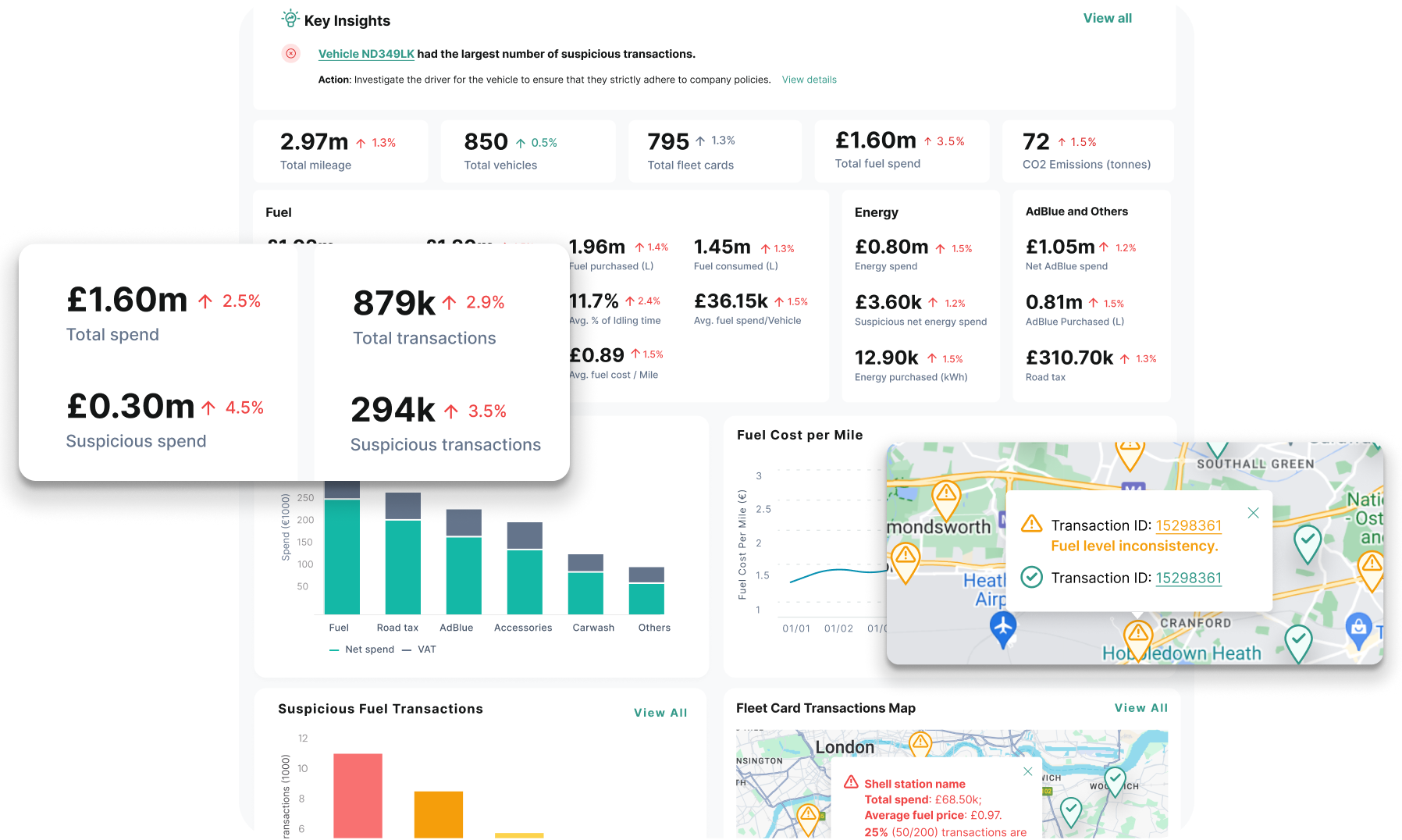
Connecting your LSVA data to Fleevo pulls those Swiss charges into the same platform as the rest of your fleet spend. Instead of a standalone LSVA invoice that has to be reconciled separately, each charge is attributed to the vehicle that incurred it and sits alongside that vehicle's fuel, tolls, fines, and maintenance costs, giving you a true per-vehicle and per-route cost for your Swiss operations.
Why Connect LSVA to Fleevo
- One reconciled record: LSVA charges are matched to your vehicles automatically, rather than reconciled by hand against a separate Swiss statement.
- True cost per route: because the LSVA is distance-based, seeing it per vehicle and per journey shows the real cost of your Swiss lanes, not just a lump-sum invoice.
- One view across borders: Swiss heavy-vehicle charges sit alongside fuel, PCNs, tolls, and maintenance in Fleevo, so cross-border operations are visible in a single place.
What's Changing With the LSVA
The LSVA is not static, and fleets planning ahead should note two shifts. Tariffs are set to rise from 2027, and electric and hydrogen-powered lorries, currently fully exempt, will be brought into the LSVA from 2029, two years earlier than first planned, with discounts for clean vehicles planned through to 2035. Keeping LSVA data connected means those changes show up in your cost picture as they take effect, rather than as a surprise on a future invoice.
#1 AI-powered fleet spend control platform
Ready to Stop Losing Money on Fleet Spend?
See how much you could save in the first week. Start your free trial today. Cancel anytime.
How to Connect Your LSVA Data to Fleevo
Fleevo's onboarding team sets up the LSVA connection for you, so Swiss heavy-vehicle charges flow into the platform automatically and are matched to your vehicles. Contact Fleevo or book a demo to get LSVA connected and see your Swiss charges alongside the rest of your fleet spend. To manage LSVA next to your other charges and penalties, see PCNs & Fines Management.
LSVA Integration FAQs
What is the LSVA?
The LSVA is Switzerland's performance-related heavy vehicle fee, a distance-based charge on goods vehicles over 3.5 tonnes using roads in Switzerland and Liechtenstein. It is calculated from kilometres driven, vehicle weight, and emission category.
How is the LSVA charged?
A mandatory on-board unit (OBU), coupled to the tachograph, records the distance travelled and sends it to the Swiss Federal Office for Customs and Border Security, which bills the charge. It accrues on every chargeable kilometre rather than as a flat toll.
What does connecting LSVA to Fleevo achieve?
It pulls Swiss LSVA charges into the same platform as your fuel, fines, and maintenance, attributes each charge to the right vehicle, and gives you a true per-vehicle and per-route cost instead of a separate Swiss invoice to reconcile by hand.
Are electric trucks charged the LSVA?
Not yet. Electric and hydrogen lorries are currently exempt, but they will be brought into the LSVA from 2029, with discounts for clean vehicles planned until 2035. Tariffs for other vehicles are also set to rise from 2027.