
Maintenance is one of the hardest fleet costs to check. Invoices arrive from different workshops in different formats, with labour, parts and sundries mixed together. Most get paid on trust. Independent testing shows the risk: Carly's 2025 analysis found drivers can be overcharged up to 25% on common repairs. Across MOT, PMI and R&M at outside suppliers, that adds up fast.
Here is what a proper maintenance invoice audit checks, and where tools earn their place.
What to check on every invoice
- Labour hours against the standard. Compare billed hours to the manufacturer or industry time for the job. Padded hours are the most common leak.
- Duplicate parts and lines. The same part billed twice, or a line repeated across two invoices for one visit.
- Price against your own history. The same part or job priced above what that supplier charged you before.
- The right package for the vehicle. A two-axle vehicle billed a four-axle service is a real, recurring error. Normalise by axle count, not by headline price.
- Parts discount. Whether the agreed discount was actually applied, where the invoice shows it.
How fleets audit today
- By hand. A manager spot-checks a sample. Thorough on the few checked, blind on the rest.
- Spreadsheets. Better for totals, poor at catching labour-hour or axle-package errors across formats.
- Software with an audit layer. Reads every invoice, normalises across suppliers, and flags the exceptions. This is where the volume problem gets solved.
What to look for in a tool
- Reads invoices from any workshop format, not just one.
- Checks labour hours, duplicate parts and pricing against your own history, line by line.
- Normalises by vehicle, for example by axle count, so like is compared with like.
- Shows the reason behind every flag, so you can challenge the supplier with evidence.
#1 AI-powered fleet spend control platform
Ready to Stop Losing Money on Fleet Spend?
See how much you could save in the first week. Start your free trial today. Cancel anytime.
How Fleevo audits maintenance invoices
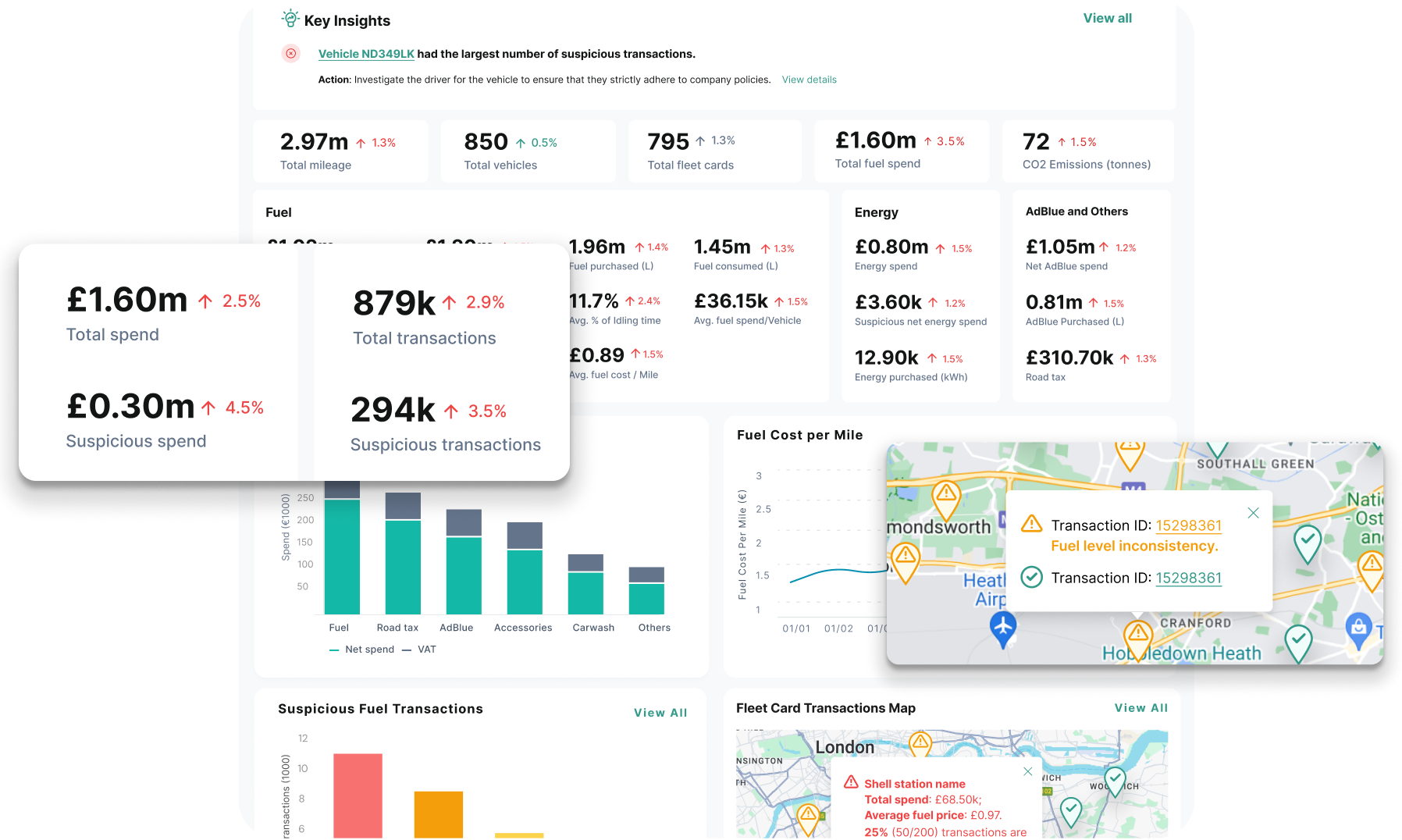
Fleevo reads every maintenance invoice, from any workshop, and checks it line by line: labour hours against the standard for the job, duplicate parts, and prices against your own repair history, normalised by vehicle and axle count so like is compared with like. Each flag shows the evidence behind it, so you can challenge a supplier or claim the difference back. One fleet caught a two-axle vehicle billed for a four-axle service package; the supplier credited the difference once it was shown. Fleevo offers a free 6-month maintenance audit, with the number back within 48 hours, by API connect or shared CSV export.
Maintenance invoice audit FAQs
What is the most common maintenance overcharge?
Inflated labour hours, followed by duplicate parts and the wrong service package for the vehicle, such as a four-axle package on a two-axle vehicle.
Can invoices be checked automatically?
Yes. Software can read invoices across workshop formats and flag labour, parts and pricing exceptions, so every invoice is checked rather than a sample.
How much can an audit recover?
It varies by fleet and supplier. Independent testing puts overcharging at up to 25% on common repairs, so even a partial recovery is worthwhile. Fleevo returns a maintenance audit figure within 48 hours.