

Before a commercial vehicle turns a wheel each day, someone should have walked around it and confirmed it is safe to drive. The daily walkaround check is the simplest compliance task a fleet has, and one of the most scrutinised, because a missed defect is where roadworthiness failures and prohibitions begin.
Whose Responsibility Is It?
The driver is legally responsible for ensuring the vehicle they take out is in a roadworthy condition. That responsibility can't be signed away, though the operator must give drivers the time, training, and system to do the check properly. It sits directly under the maintenance undertakings of the operator's licence.
What a Walkaround Check Covers
DVSA sets out the items for a first-use daily check. In practice that means the safety-critical basics: lights and indicators, tyres and wheel fixings, brakes and air-leak warnings, steering, mirrors and glass, wipers and washers, fluid levels, the security of the load and bodywork, and any dashboard warning lamps. For HGVs the list is more extensive, and coupling security matters for anything towing a trailer.
Defect Reporting, Including Nil Defects
A check is only useful if what it finds is acted on. Drivers should report defects immediately, and the fleet needs a system to record them, take the vehicle off the road if the defect is dangerous, and track the repair. Good practice is nil defect reporting, recording that a check was done and found nothing, so there is positive evidence the check happened at all.
Why the Records Matter
DVSA recommends keeping walkaround and defect records for at least 15 months. They are among the first things an examiner asks for, and a clean, consistent record of daily checks and closed-out defects is strong evidence that the fleet's maintenance system works, exactly what an operator's licence and Earned Recognition depend on.
#1 AI-powered fleet spend control platform
Ready to Stop Losing Money on Fleet Spend?
See how much you could save in the first week. Start your free trial today. Cancel anytime.
How Fleevo Helps
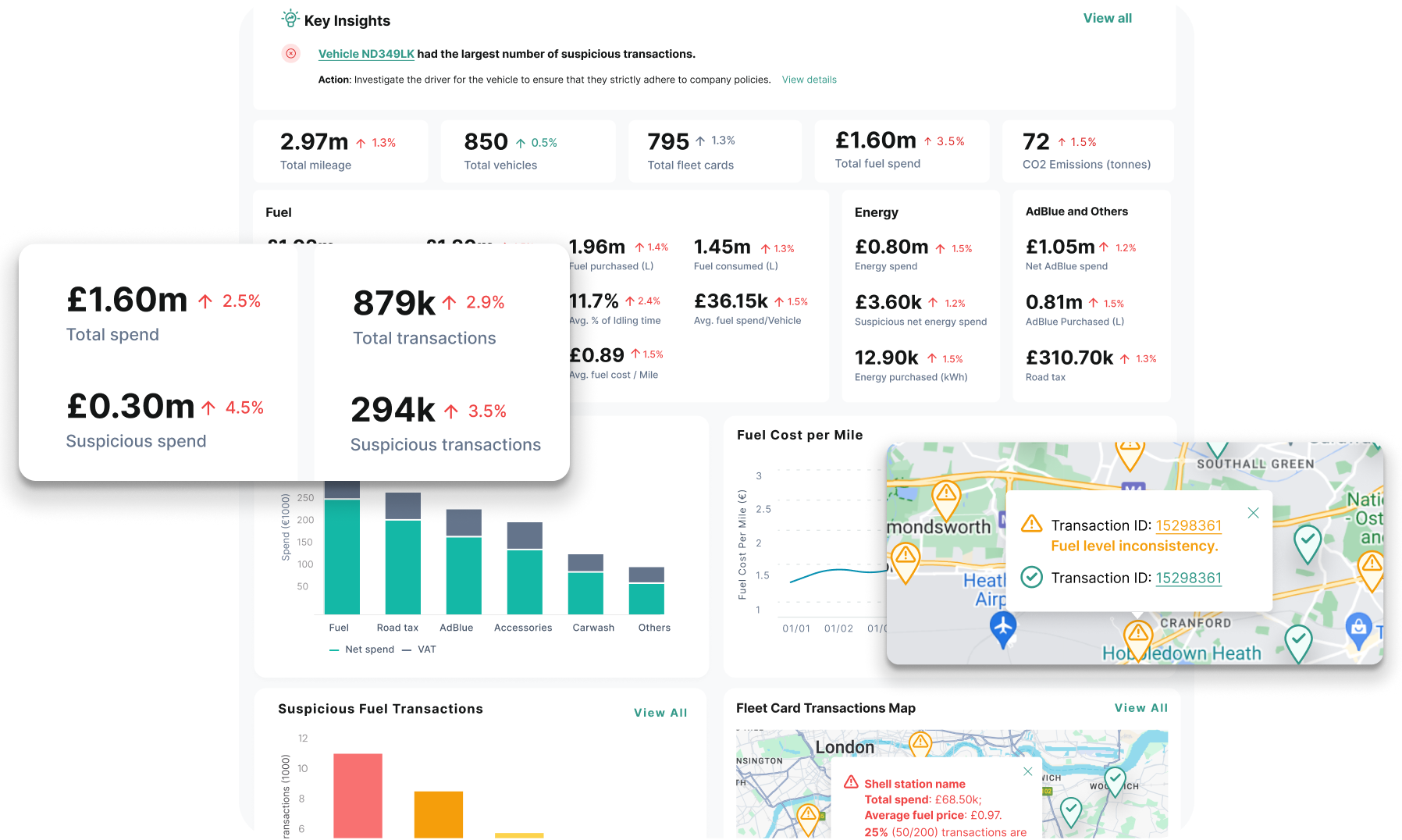
Paper defect books get lost; the evidence they hold vanishes with them. Fleevo captures walkaround checks and defect reports digitally, links them to the vehicle, and keeps them retrievable with a full history, so a missed check or an unrepaired defect stands out and the record is ready when an examiner asks. Explore Compliance & Audit Readiness, or read our guide to keeping testing records audit-ready.
Walkaround Check FAQs
Who is responsible for the daily walkaround check?
The driver is legally responsible for ensuring the vehicle is roadworthy, though the operator must provide the time, training, and reporting system to make that possible.
What should a walkaround check include?
The safety-critical items: lights, tyres and wheels, brakes, steering, mirrors and glass, wipers and washers, fluid levels, load and bodywork security, warning lamps, and coupling security when towing.
What is nil defect reporting?
Recording that a check was carried out and found no defects, so there is positive evidence the check happened, not just silence.
How long should check records be kept?
DVSA recommends at least 15 months, as they are key evidence of a working maintenance system.
This is general information, not legal advice. Confirm current requirements with DVSA guidance.