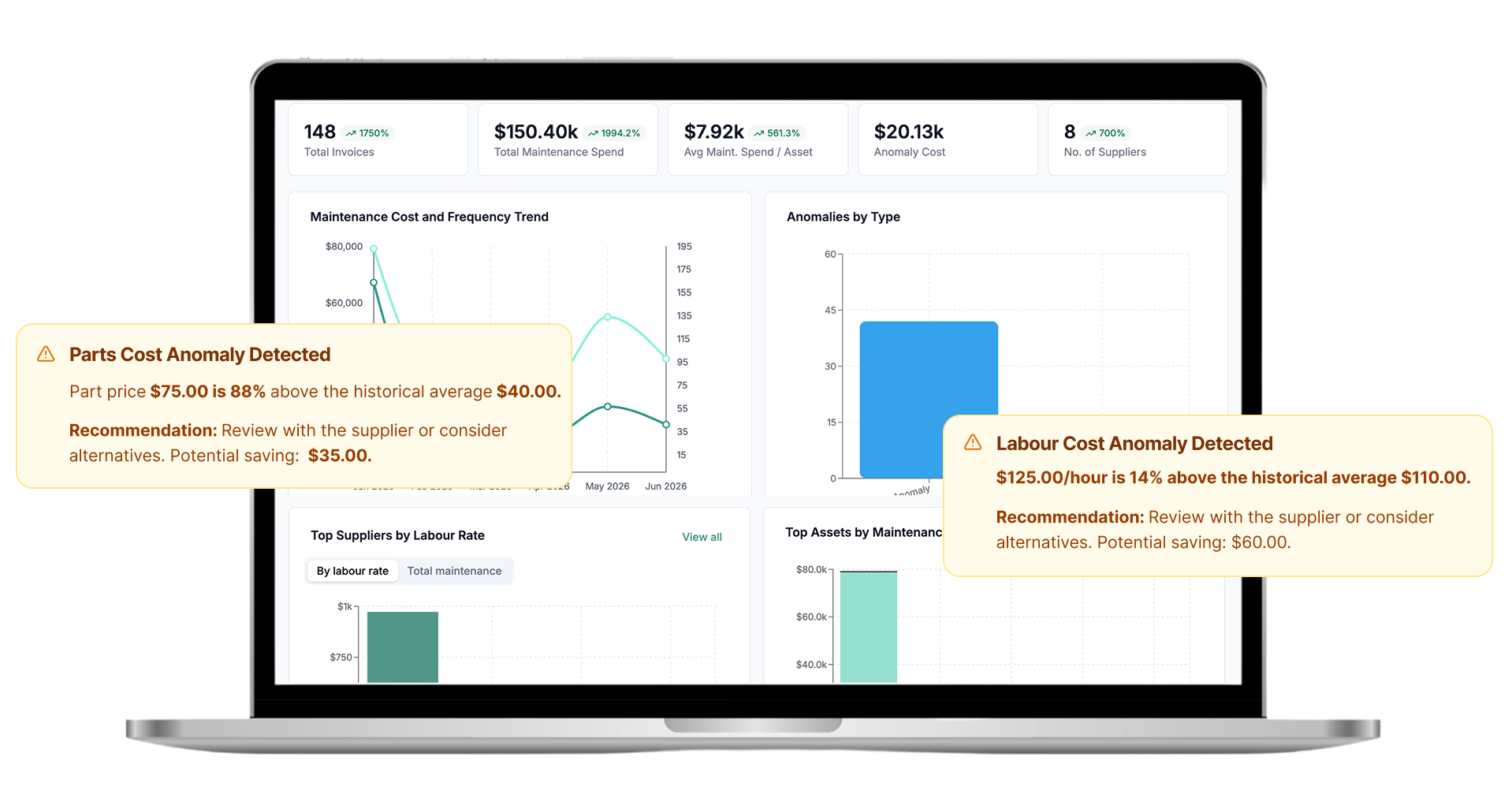

Fleets tend to think of vehicle testing as the annual event: MOT for cars, the annual test for HGVs and trailers, PSV testing for buses and coaches. Passing it is necessary, but it is not what keeps a vehicle legal for the other 364 days. That job belongs to the maintenance inspections and records that sit between tests, and they are what a DVSA examiner scrutinises most closely.
The Statutory Tests
Cars need an MOT from three years old, then annually. Heavy goods vehicles and trailers must pass an annual test, with the first test due by the first anniversary of registration for most HGVs. PSVs are tested annually too. Passing the annual test confirms roadworthiness on that day; it does not certify the vehicle for the year ahead.
Safety Inspections Are Separate
Between annual tests, operators must run their own preventive maintenance inspections at planned intervals, based on the vehicle type, age, and how hard it works. These are distinct from the annual test and from routine servicing. The inspection interval is set by the operator and stated to the Traffic Commissioner, and sticking to it is part of the licence undertakings.
Records Are the Real Test
What turns maintenance into compliance is the paper trail: inspection sheets, defect reports, repair records, and the forward planner showing scheduled inspections and test dates. DVSA recommends keeping maintenance records for at least 15 months. In an audit or public inquiry, the quality of these records is often what determines whether an operator is judged compliant, regardless of how well the vehicles are actually maintained.
Staying Audit-Ready
Audit-ready means the records are complete, consistent, and instantly retrievable, not reconstructed the night before. A fleet that can produce a clean, chronological maintenance history on demand demonstrates control; one that can't raises questions even if its vehicles are sound.
#1 AI-powered fleet spend control platform
Ready to Stop Losing Money on Fleet Spend?
See how much you could save in the first week. Start your free trial today. Cancel anytime.
How Fleevo Helps
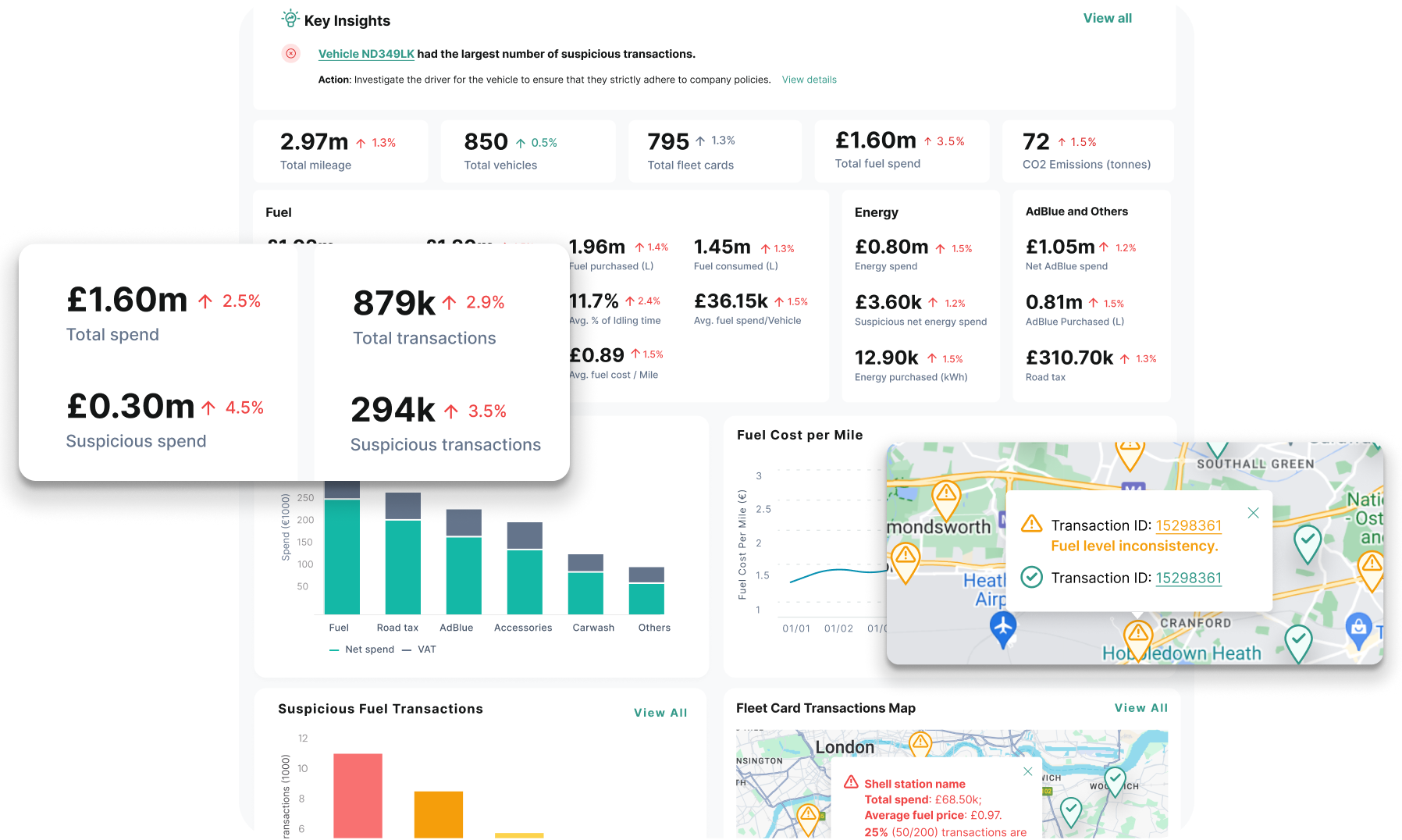
Fleevo keeps inspection schedules, test dates, defect reports, and maintenance records together and up to date, with reminders before inspections and tests fall due, so nothing lapses and the full history is retrievable the moment it's asked for. Explore Compliance & Audit Readiness, or read our guide to daily walkaround checks.
Fleet Testing and Records FAQs
How often must fleet vehicles be tested?
Cars need an MOT annually from three years old. HGVs, trailers, and PSVs need an annual test, with the first HGV test generally due by the first anniversary of registration.
What are safety inspections?
Operator-run preventive maintenance inspections at planned intervals between annual tests. They are separate from the annual test and from servicing, and the interval forms part of the operator's licence undertakings.
How long should maintenance records be kept?
DVSA recommends at least 15 months. Complete, retrievable records are often what an audit or public inquiry turns on.
What does audit-ready mean?
That maintenance and testing records are complete, consistent, and instantly available on request, rather than reconstructed after the fact.
This is general information, not legal advice. Confirm current requirements with DVSA and GOV.UK guidance.