
Salary sacrifice has quietly become one of the biggest drivers of EV adoption in UK fleets. The mechanism is old, the appeal is new: because company-car tax on electric vehicles is so low, sacrificing salary for an EV lease produces savings that simply don't exist for petrol or diesel.
How It Works
An employee agrees to give up part of their gross salary in exchange for a fully expensed electric car, usually on a two-to-four-year lease arranged through the employer and a scheme provider. Because the sacrifice comes out of pre-tax pay, the employee saves income tax and National Insurance on the sacrificed amount. In return, they pay Benefit-in-Kind (BIK) tax on the car, but for EVs that BIK rate is very low, which is what makes the maths work.
Why the Numbers Work for EVs
The appropriate BIK percentage for a fully electric company car is just 4% in 2026/27, rising slowly to 5% in 2027/28, 7% in 2028/29, and 9% in 2029/30. Those are a fraction of the 25% or more a comparable petrol car attracts. So the tax saved on the sacrificed salary far outweighs the small BIK charge, giving employees a new EV for meaningfully less than a personal lease.
What Fleets Gain
For the employer, a salary sacrifice scheme is a low-cost benefit that aids recruitment and retention, accelerates fleet electrification without capital outlay, and helps decarbonise grey-fleet mileage by moving employees out of older private cars into new EVs. Employer National Insurance savings on the sacrificed salary can offset scheme costs.
The Risks to Plan For
Salary sacrifice isn't free of complications. Early termination, if an employee leaves or goes on extended leave, can leave someone liable for lease costs, so most schemes carry early-termination protection. Sacrificing salary can affect pension contributions, mortgage affordability, and statutory pay calculated on reduced gross pay. And the BIK rates, while low, are legislated to keep rising, so the deal is slightly less generous each year.
#1 AI-powered fleet spend control platform
Ready to Stop Losing Money on Fleet Spend?
See how much you could save in the first week. Start your free trial today. Cancel anytime.
How Fleevo Helps
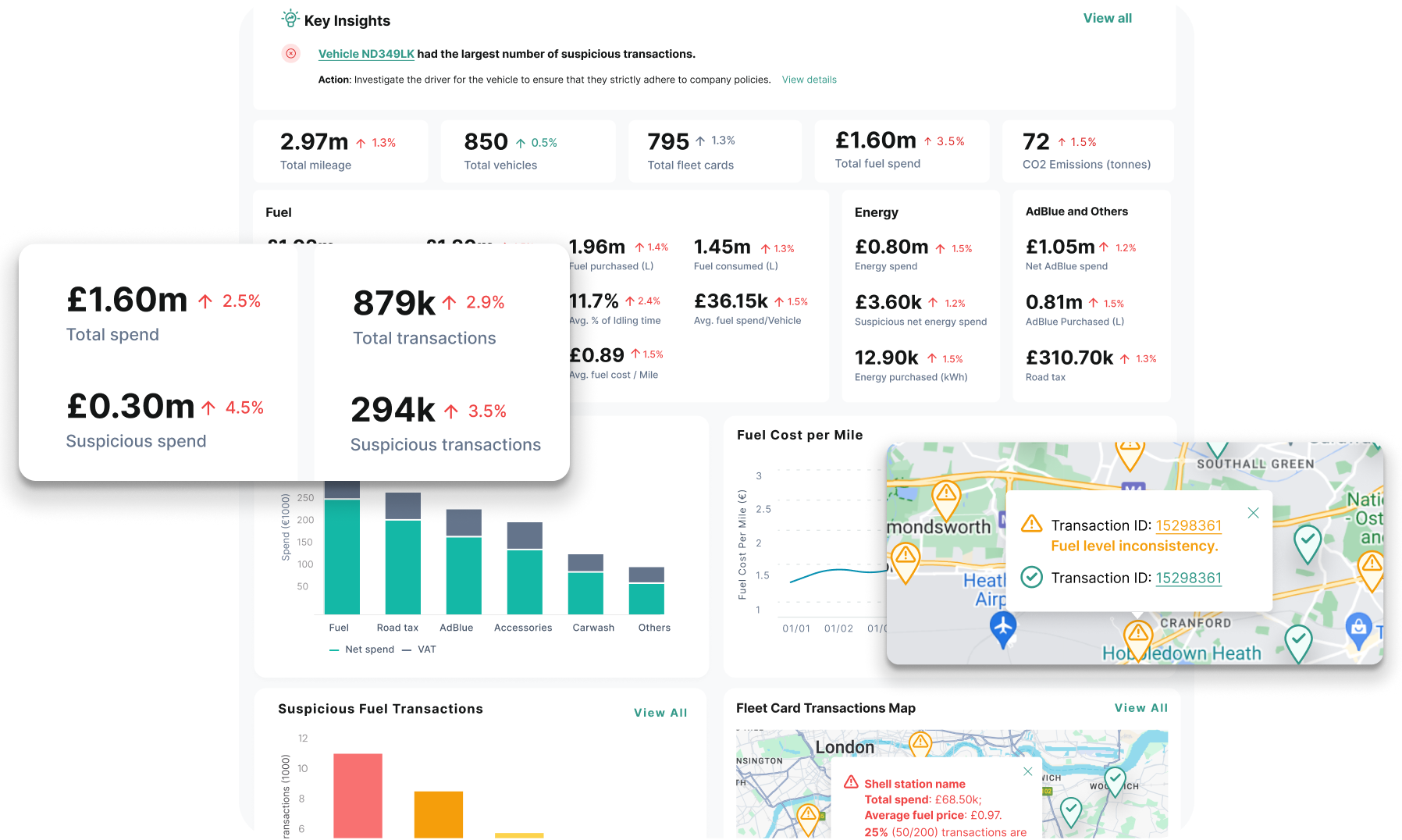
As salary-sacrifice EVs join the fleet, the charging and reimbursement admin grows with them. Fleevo tracks charging cost and business mileage across those vehicles alongside the rest of your fleet, so the running cost of an electrified fleet stays visible in one place. Explore Fuel & EV Charge Management, or read our guide to electric company-car tax.
EV Salary Sacrifice FAQs
How does EV salary sacrifice save money?
The employee gives up gross salary for an EV lease, saving income tax and National Insurance on the sacrificed amount. They pay BIK on the car, but the EV BIK rate is very low, so the net saving is significant.
What is the BIK rate on an electric company car?
4% in 2026/27, then 5% in 2027/28, 7% in 2028/29, and 9% in 2029/30, compared with well over 25% for many petrol and diesel cars.
What are the main risks of salary sacrifice?
Early-termination liability if an employee leaves, effects on pension and other salary-linked calculations, and BIK rates that are set to rise each year. Most schemes include early-termination protection.
This is general information, not tax or financial advice. Confirm your position with a qualified adviser and current HMRC guidance.