

A safety inspection, often called a PMI (periodic maintenance inspection), is the regular check that keeps an operator's licence safe. DVSA's Guide to maintaining roadworthiness, updated in April 2025, sets out what Traffic Commissioners expect: how often each vehicle is inspected, what the inspection must include, and what records you keep. The interval you commit to on your licence application becomes an undertaking, and missing it can put the licence at risk.
This guide covers the DVSA intervals, brake testing, records, and what applies to vans below 3.5 tonnes.
How often do HGVs, trailers and PSVs need a safety inspection?
DVSA says an inspection frequency "would normally range between 4 to 13 weeks". You set it based on the type of work, the operating conditions, the age of the vehicle, and the mileage it covers. The guide's table of examples:
| Operating conditions | Inspection interval |
|---|---|
| Lightly loaded vehicles, easy operating conditions | 10–13 weeks |
| General haulage, trunking | 6–10 weeks |
| Arduous work, constant heavy loads | 4–6 weeks |
| Off road, difficult conditions | 4 weeks |
| Vehicle or trailer 12 years or older | 6 weeks |
Some points to note:
- Older vehicles. DVSA sets a minimum of 6 weeks for vehicles and trailers aged 12 years and older, though it may be extended for low-mileage, light work.
- Mileage-based schedules are allowed. If you inspect by mileage, you still declare the equivalent maximum time interval, up to 13 weeks.
- ISO weeks. DVSA expects each inspection to be completed within the ISO week it falls due.
- Third-party trailers. As a default, the interval should not exceed 13 weeks.
- Traffic Commissioners can go further. They may require shorter intervals than the guide suggests.
Brake testing at every inspection
DVSA expects every safety inspection to include a brake performance assessment, using a roller brake test, an electronic braking performance monitoring system (EBPMS), or a decelerometer with temperature readings.
- Laden tests. Where EBPMS is not used, DVSA expects at least four laden brake tests a year, spread evenly. The annual test can count as one.
- No laden test at an inspection? A competent person must complete a risk assessment.
- Timing. A vehicle can go for a roller brake test up to 14 days before the inspection date.
- Trailers. Decelerometers cannot be used for trailer brakes.
- Record it. The inspection record should show the date, how braking was assessed, and whether the vehicle was laden.
What records must you keep?
Safety inspection records must be kept for at least 15 months, including for vehicles you have since sold or taken off the licence. Driver defect reports must also be kept for 15 months; DVSA recommends keeping "nil" defect reports for at least 3 months.
Each inspection report should show at least:
- the operator's name, the date and ISO week, and who carried out the inspection, and where
- the vehicle's registration or trailer number, make, model and odometer reading
- every item inspected, its condition, and any defects found
- the inspector's name and signature
- the repair work done and who did it
- a signed, dated statement that all safety defects have been repaired and the vehicle is roadworthy
The report must be complete, and the vehicle declared roadworthy, before it returns to service.
Daily walkaround checks
Between inspections, at least one walkaround check must be done every day, or once in each 24-hour period, that the vehicle is used. Drivers must report any defect that could affect safe operation, in writing or electronically, to someone with the authority to act on it. The driver is always legally responsible for the vehicle's condition while using it. See our daily walkaround checks guide.
The annual test (MOT)
HGVs and buses need their first annual test 12 months after first registration, and trailers usually one year after they were first sold or supplied. Lorry test fees at authorised testing facilities are £91 for 2 axles, £113 for 3 axles and £137 for 4 or more; trailers are £41, £54 or £64 by axles. Read more in MOT and statutory testing.
What happens if you miss inspections?
The guide is guidance, not statute, but Traffic Commissioners use it as the starting point for deciding whether your maintenance arrangements are satisfactory. Your inspection interval is an undertaking on your operator's licence. Missed inspections, missing records, or prohibitions can lead to a DVSA maintenance investigation, and then to regulatory action by the Traffic Commissioner, up to suspending or revoking the licence. A higher Operator Compliance Risk Score (OCRS) also makes roadside checks of your vehicles more likely. See what an operator's licence requires.
What about vans under 3.5 tonnes?
Below 3.5 tonnes with no operator's licence, there is no legally fixed inspection interval. A van needs its first MOT on the third anniversary of registration, then every year, and it must be roadworthy every time it is used. DVSA says the guide's principles "could equally apply" to these vehicles, so most fleets follow the manufacturer's service schedule plus regular safety checks. Two exceptions: vans over 2.5 tonnes used for hire or reward in the EU need a standard international operator's licence, and an operator who already holds a licence is expected to maintain out-of-scope vans properly too.
#1 AI-powered fleet spend control platform
Ready to Stop Losing Money on Fleet Spend?
See how much you could save in the first week. Start your free trial today. Cancel anytime.
How Fleevo keeps inspections on schedule
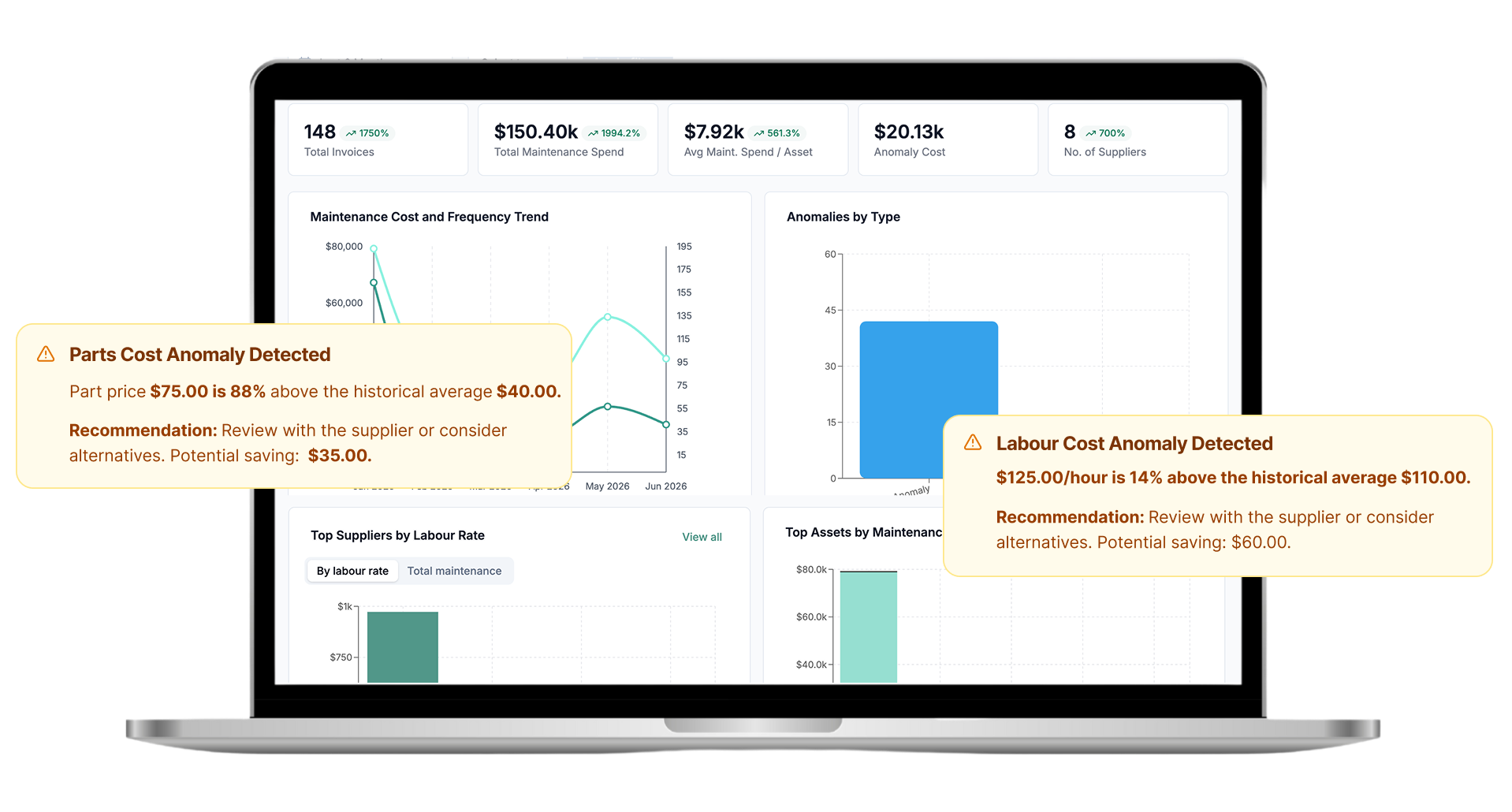
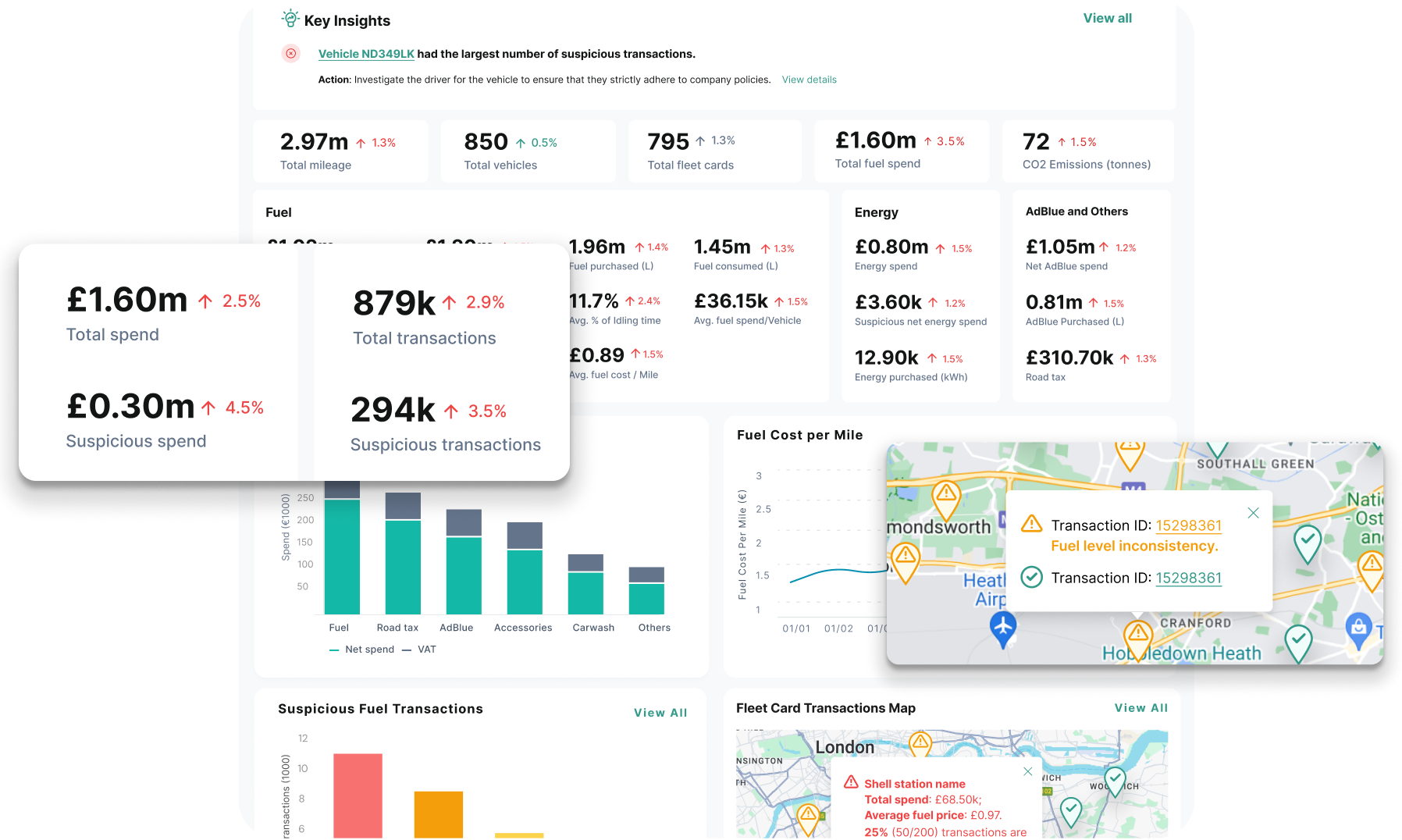
In Fleevo, a safety inspection is a service schedule like any other: set it by weeks, mileage or engine hours, whichever comes first, for one vehicle or a whole group, and email reminders go out before each one falls due. Odometer readings come from your telematics. MOT and annual test expiry dates for UK vehicles stay in step with DVLA records. Each inspection is recorded as a work order against the vehicle, building the per-vehicle history your 15-month records rely on, next to the maintenance invoices Fleevo checks in Maintenance Spend Control.
Book a demo, or read our fleet preventive maintenance checklist and guide to DVSA Earned Recognition.
Safety inspection FAQs
How often should an HGV have a safety inspection?
Normally every 4 to 13 weeks, depending on the work, operating conditions, age and mileage. DVSA's examples range from 10–13 weeks for light, easy work to 4 weeks for off-road use, and 6 weeks for vehicles 12 years or older.
What is a PMI?
A periodic maintenance inspection, the regular safety inspection an operator commits to on its operator's licence. DVSA's guide calls it a safety inspection.
How long do you keep safety inspection records?
At least 15 months, including for vehicles sold or removed from the licence. Driver defect reports also for 15 months.
Does every safety inspection need a brake test?
DVSA expects every inspection to include a brake performance assessment, and at least four laden brake tests a year where EBPMS is not used. The annual test can count as one.
Do vans need safety inspections?
Vans under 3.5 tonnes with no operator's licence have no legally fixed interval. They need an MOT from year three and must be roadworthy whenever used, so most fleets follow the manufacturer's schedule plus regular checks.
This is general information, not legal advice. Check the current DVSA guide and your own licence undertakings.
Sources
- DVSA, Guide to maintaining roadworthiness (updated 28 April 2025): gov.uk
- GOV.UK, MOT for HGVs, buses and trailers: gov.uk
- GOV.UK, Getting an MOT: gov.uk
- GOV.UK, Lorry and trailer test fees at authorised testing facilities: gov.uk
- Senior Traffic Commissioner, Statutory Document 10 (March 2025): assets.publishing.service.gov.uk